
Events and Festivals at the End of the World
February

March


April

 Tierra del Fuego Rally
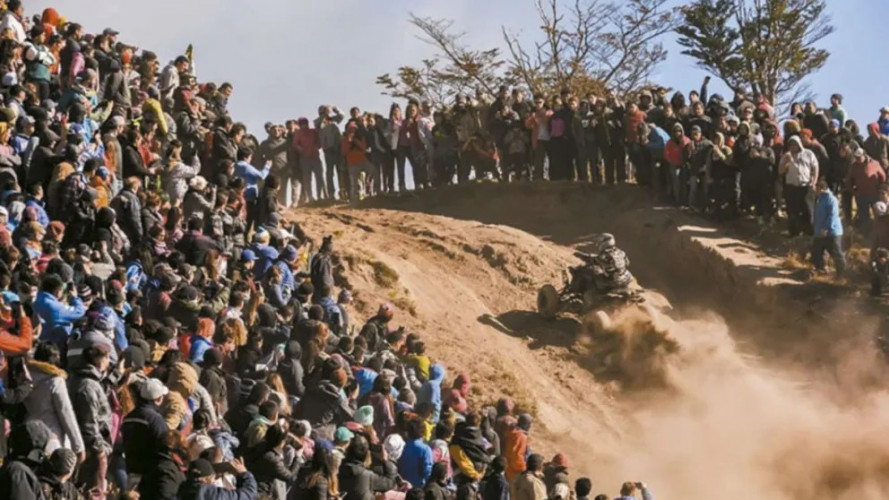
This traditional rally is organized by the Moto Club Río Grande and it's one of the oldest competitions in Argentina. The race goes from the city of Rio Grande to the Tierra Mayor Valley.
This traditional rally is organized by the Moto Club Río Grande and it's one of the oldest competitions in Argentina. The race goes from the city of Rio Grande to the Tierra Mayor Valley.
 Malvinas vigil
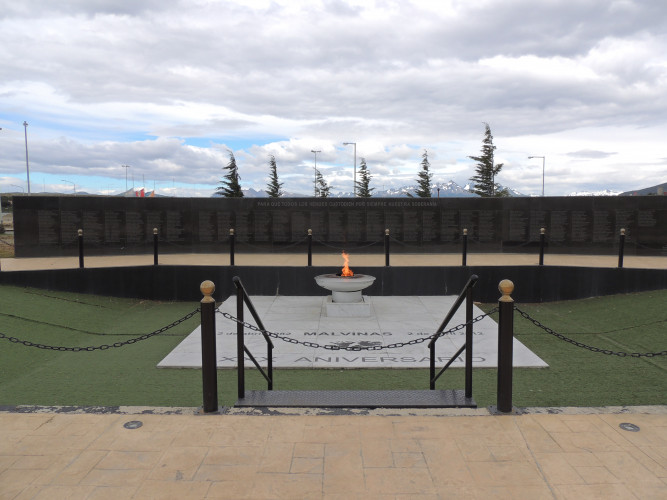
On 1st April a vigil takes place in Tierra del Fuego prior to the official act of commemoration for the Day of Veterans and Fallen of the Malvinas War.This vigil gathers relatives, military personnel and public to honor the memory of those who lost their lives in this conflict.
On 1st April a vigil takes place in Tierra del Fuego prior to the official act of commemoration for the Day of Veterans and Fallen of the Malvinas War.This vigil gathers relatives, military personnel and public to honor the memory of those who lost their lives in this conflict.
 Day of the Veterans and Fallen of the Malvinas War
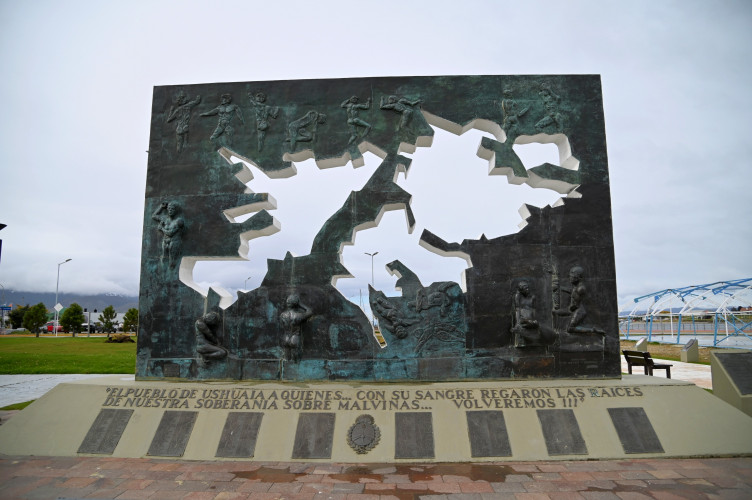
On April 2, the Day of the Veterans and Fallen of the Malvinas War is commemorated in the cities of Ushuaia and Río Grande. A vigil is held the night before, gathering military personnel, relatives and public. The commemoration of the fallen in the 1982 conflict is presided by government and military officials.
On April 2, the Day of the Veterans and Fallen of the Malvinas War is commemorated in the cities of Ushuaia and Río Grande. A vigil is held the night before, gathering military personnel, relatives and public. The commemoration of the fallen in the 1982 conflict is presided by government and military officials.
 End of the World International Film Festival
The goal of this festival is to promote the natural beauty of Ushuaia, as a way to make the destination an attractive location for international filmmakers. A new edition will take place on 23-27 April.
For more information visit:
https://cinedelfindelmundo.com/
Contact: roxanaukmar@gmail.com
The goal of this festival is to promote the natural beauty of Ushuaia, as a way to make the destination an attractive location for international filmmakers. A new edition will take place on 23-27 April.
For more information visit:
https://cinedelfindelmundo.com/
Contact: roxanaukmar@gmail.com
June
 Longest Night National Festival
The Longest Night Festival takes place in Ushuaia every year to celebrate the beginning of the winter season. In the Southern Hemisphere the winter solstice occur on 21 June, and marks the longest night of the year.
The celebrations lasts for several days, with live shows, music and gastronomy in the snowy surroundings of Ushuaia. Dates to be confirmed.
The Longest Night Festival takes place in Ushuaia every year to celebrate the beginning of the winter season. In the Southern Hemisphere the winter solstice occur on 21 June, and marks the longest night of the year.
The celebrations lasts for several days, with live shows, music and gastronomy in the snowy surroundings of Ushuaia. Dates to be confirmed.
July
 Snow Trail Running 10k
 Winter Festival 2026
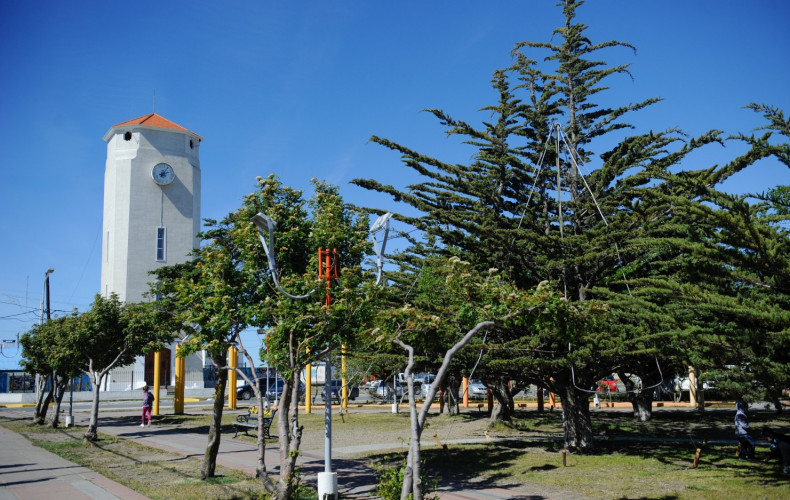 Río Grande City’s Anniversary
The pioneers of sheep farming, called by the then President Julio A. Roca, at the end of the 19th century, chose the northern area of Isla Grande to establish their estancias. Basically, the main reasons for this were the good pastures, plentiful rivers, sea coasts for the construction of a port and the proximity of the inter-oceanic route of the time, the Strait of Magellan.
As the population grew, a provisioning and services were necessary. Thus, Rio Grande, like all Patagonian cities, was born spontaneously and without an official foundation.
On July 11, 1921, the National Executive Branch signed the decree published in the Official Gazette with the number 8,209, by which the following towns were created in the National Territories: the agricultural, pastoral and mixed colonies listed, mentioning in the section corresponding to Tierra del Fuego "...colony of Río Grande, on the margin of the river of that name...".
Some landowners such as Nogueira, Menéndez and Braun, divided up all the land suitable for extensive cattle raising, maintaining a state of large estates until the agrarian reform of 1925. Thus, cattle raising became, in its beginnings, one of the economic mainstays of Tierra del Fuego.
This year Rio Grande will celebrate the 105 anniversary of its foundation.
The pioneers of sheep farming, called by the then President Julio A. Roca, at the end of the 19th century, chose the northern area of Isla Grande to establish their estancias. Basically, the main reasons for this were the good pastures, plentiful rivers, sea coasts for the construction of a port and the proximity of the inter-oceanic route of the time, the Strait of Magellan.
As the population grew, a provisioning and services were necessary. Thus, Rio Grande, like all Patagonian cities, was born spontaneously and without an official foundation.
On July 11, 1921, the National Executive Branch signed the decree published in the Official Gazette with the number 8,209, by which the following towns were created in the National Territories: the agricultural, pastoral and mixed colonies listed, mentioning in the section corresponding to Tierra del Fuego "...colony of Río Grande, on the margin of the river of that name...".
Some landowners such as Nogueira, Menéndez and Braun, divided up all the land suitable for extensive cattle raising, maintaining a state of large estates until the agrarian reform of 1925. Thus, cattle raising became, in its beginnings, one of the economic mainstays of Tierra del Fuego.
This year Rio Grande will celebrate the 105 anniversary of its foundation.
August
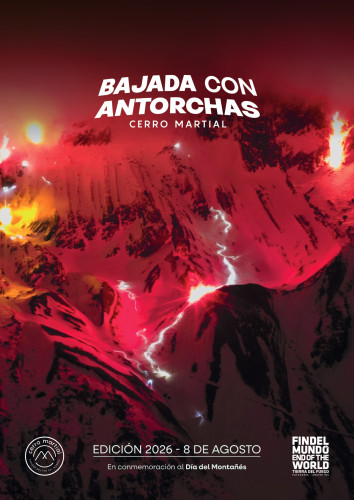 Torchlit ski descent from the Martial Glacier
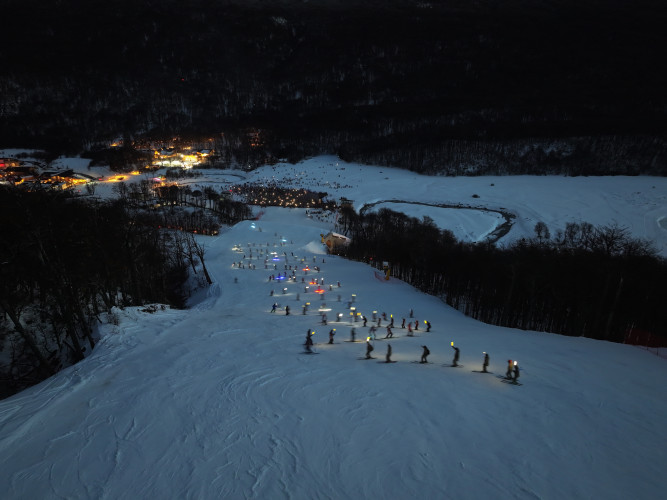
This is a traditional event, with live music shows and a torchlit ski descent from the summit of the Martial Glacier, performed by a group of expert skiers and snowboarders. This year the event will take place on the 9th of August.
This is a traditional event, with live music shows and a torchlit ski descent from the summit of the Martial Glacier, performed by a group of expert skiers and snowboarders. This year the event will take place on the 9th of August.
 Whisky Live Ushuaia- Fin del Mundo 2026
El 22 de agosto se realizará una nueva edición de este evento de cata y exposición de whisky en el Salón Milenio de Las Hayas Resort Ushuaia, una experiencia que reúne a apasionados, coleccionistas y curiosos del buen beber en un entorno inigualable.
Descubre etiquetas exclusivas, explora perfiles de sabor de maltas internacionales y nacionales, y vive máster clases impartidas por los mayores expertos de la industria.
Más Información y reservas: 2901449420.
El 22 de agosto se realizará una nueva edición de este evento de cata y exposición de whisky en el Salón Milenio de Las Hayas Resort Ushuaia, una experiencia que reúne a apasionados, coleccionistas y curiosos del buen beber en un entorno inigualable.
Descubre etiquetas exclusivas, explora perfiles de sabor de maltas internacionales y nacionales, y vive máster clases impartidas por los mayores expertos de la industria.
Más Información y reservas: 2901449420.
September
 Expo Vinos
La segunda edición de Expo Vinos se realizará el 12 de septiembre a las 20 horas, en el Salón Milenio de Las Hayas Resort Ushuaia, ubicado en un entorno privilegiado que aporta el marco ideal para una noche dedicada al vino y a la gastronomía.
El evento reúne una amplia variedad de bodegas y etiquetas, junto con productos regionales, propuestas gastronómicas y destilados locales, generando un espacio de encuentro entre productores, marcas y público.
La entrada incluye la degustación de vinos y destilados participantes, además de degustaciones gastronómicas durante la noche. También habrá música, sorteos y diferentes propuestas en un encuentro para descubrir nuevos sabores, conocer productos, aprender y disfrutar.
Más información y reservas: 2901449420.
La segunda edición de Expo Vinos se realizará el 12 de septiembre a las 20 horas, en el Salón Milenio de Las Hayas Resort Ushuaia, ubicado en un entorno privilegiado que aporta el marco ideal para una noche dedicada al vino y a la gastronomía.
El evento reúne una amplia variedad de bodegas y etiquetas, junto con productos regionales, propuestas gastronómicas y destilados locales, generando un espacio de encuentro entre productores, marcas y público.
La entrada incluye la degustación de vinos y destilados participantes, además de degustaciones gastronómicas durante la noche. También habrá música, sorteos y diferentes propuestas en un encuentro para descubrir nuevos sabores, conocer productos, aprender y disfrutar.
Más información y reservas: 2901449420.
October
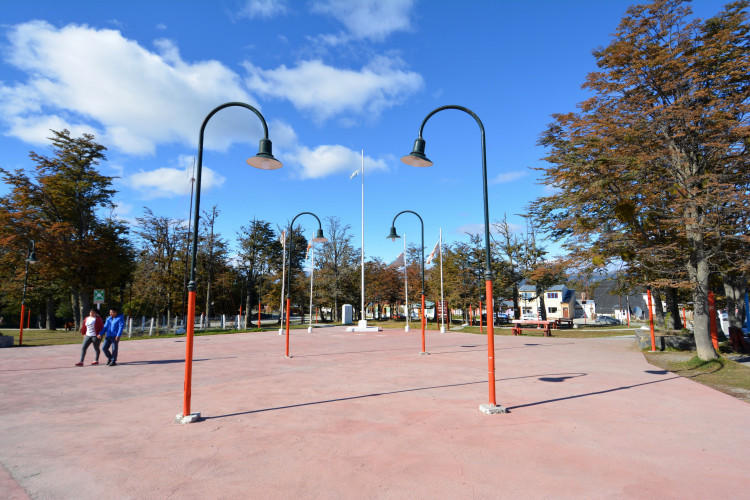 Tolhuin Town’s Anniversary
Tolhuin was founded on October 9, 1972 by Territorial Law No. 31 under the Presidency of Alejandro Agustín Lanusse, the Government of Gregorio Lloret and the Municipality of Río Grande of Néstor Nogar, who were present at the laying of the foundation stone currently located at the intersection of Lucas Bridges and Luis Cárdenas streets. By Territorial Law Nº 72 of the same year, the current urban area of 54 Km2 was assigned to the city. That same year the construction of the first 20 houses and the building of the elementary school began.
On September 5, 1982 the first local delegate of Tolhuin, Mr. Alberto Vicente Ferrer, was appointed. The population of Tolhuin was approximately 250 inhabitants.
In 1991 Tolhuin was declared Commune, initial rank of the municipal regime of the Constitution of the Province of Tierra del Fuego, assuming the first elected Communal Council, on December 11 of that year.
Tolhuin was founded on October 9, 1972 by Territorial Law No. 31 under the Presidency of Alejandro Agustín Lanusse, the Government of Gregorio Lloret and the Municipality of Río Grande of Néstor Nogar, who were present at the laying of the foundation stone currently located at the intersection of Lucas Bridges and Luis Cárdenas streets. By Territorial Law Nº 72 of the same year, the current urban area of 54 Km2 was assigned to the city. That same year the construction of the first 20 houses and the building of the elementary school began.
On September 5, 1982 the first local delegate of Tolhuin, Mr. Alberto Vicente Ferrer, was appointed. The population of Tolhuin was approximately 250 inhabitants.
In 1991 Tolhuin was declared Commune, initial rank of the municipal regime of the Constitution of the Province of Tierra del Fuego, assuming the first elected Communal Council, on December 11 of that year.
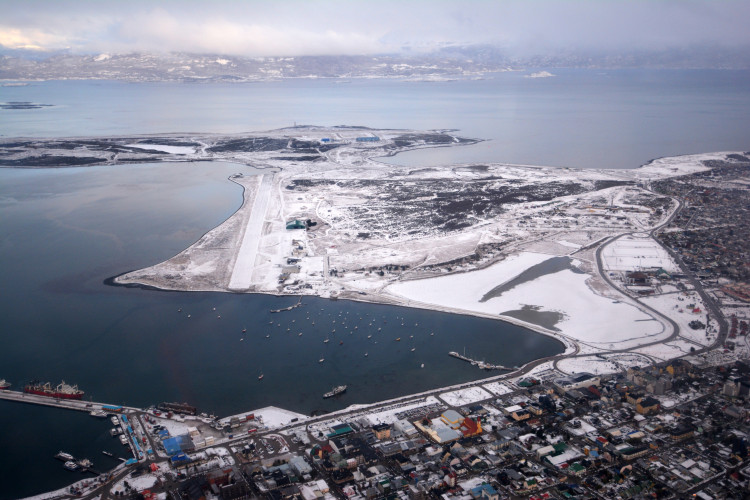 Ushuaia City’s Anniversary
On October 12, 1884, in Ushuaia Bay, the first Sub Prefecture was officially declared inaugurated in these territories, and from then on, every year the anniversary of our city is celebrated, reaching the first centenary in 1984.
On October 12, 1884, in Ushuaia Bay, the first Sub Prefecture was officially declared inaugurated in these territories, and from then on, every year the anniversary of our city is celebrated, reaching the first centenary in 1984.
November

 Ushuaia EPIC! Mountain Bike at the end of the world
USHUAIA EPIC is a mountain bike competition and one of the most popular and important MTB races in Southern Patagonia. In the last edition there were more than 300 competitors, 70 of which came from other provinces and from the Republic of Chile. The circuit goes through mountain trails near Ushuaia,and it's designed to develop the potential of cyclists. The competition also has an alternative circuit for amateur bikers.
This edition of "Ushuaia EPIC! - MTB en el Fin del Mundo" will take place on 20-22 November.
Contact on Instagram: @ushuaiaepic
USHUAIA EPIC is a mountain bike competition and one of the most popular and important MTB races in Southern Patagonia. In the last edition there were more than 300 competitors, 70 of which came from other provinces and from the Republic of Chile. The circuit goes through mountain trails near Ushuaia,and it's designed to develop the potential of cyclists. The competition also has an alternative circuit for amateur bikers.
This edition of "Ushuaia EPIC! - MTB en el Fin del Mundo" will take place on 20-22 November.
Contact on Instagram: @ushuaiaepic
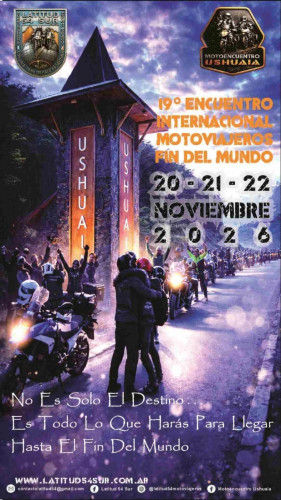 International Bikers Meeting at the end of the world
The "International Bikers Meeting at the End of the World" is an event that gathers locals and people from all over the world. When the caravan of bikes arrives in Ushuaia, it turns into a live expo of machines and riders.
The end of National Route 3, in Lapataia Bay, is the destination of the adventurers who come to this annual meeting, to share experiences and rides through sea coasts, lakes, valleys, peat bogs and forests.
This year, the 19th edition will take place on the 20th-22nd of November.
The "International Bikers Meeting at the End of the World" is an event that gathers locals and people from all over the world. When the caravan of bikes arrives in Ushuaia, it turns into a live expo of machines and riders.
The end of National Route 3, in Lapataia Bay, is the destination of the adventurers who come to this annual meeting, to share experiences and rides through sea coasts, lakes, valleys, peat bogs and forests.
This year, the 19th edition will take place on the 20th-22nd of November.
December
 Ushuaia Trail Race- Fin del Mundo 2025
Ushuaia Trail Race (UTR) is the Trail Running race that brings together the technical challenge and the natural attraction of Ushuaia, the southernmost city in the world.
UTR is a technical race, in non-stop and semi-sufficiency mode, this means that there are hydration and assistance stations in the circuit. It crosses forests and mountains such as Cerro del Medio and Cañadón de la Oveja, starting from the base of Cerro Glaciar Martial. The race has three categories: 14k, 33k and 60k.
The event will take place on 5-6 December.
Contact on instagram @ushuaiatrailrace
Ushuaia Trail Race (UTR) is the Trail Running race that brings together the technical challenge and the natural attraction of Ushuaia, the southernmost city in the world.
UTR is a technical race, in non-stop and semi-sufficiency mode, this means that there are hydration and assistance stations in the circuit. It crosses forests and mountains such as Cerro del Medio and Cañadón de la Oveja, starting from the base of Cerro Glaciar Martial. The race has three categories: 14k, 33k and 60k.
The event will take place on 5-6 December.
Contact on instagram @ushuaiatrailrace